this is a private webpage · Not visible to the public
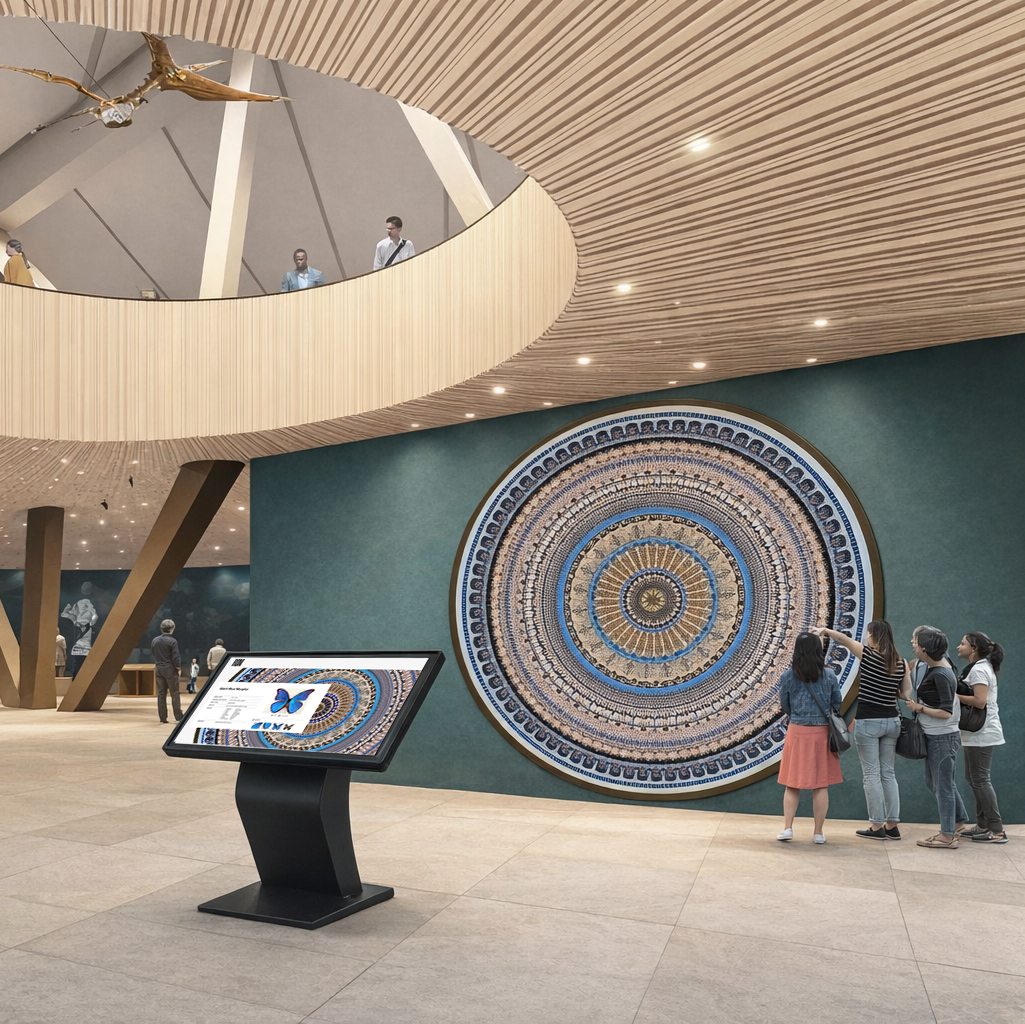
What if curiosity began before the first exhibit?
A large-scale artwork for the ROM’s new entrance, designed to draw visitors in, slow them down, and invite discovery from the moment they arrive.
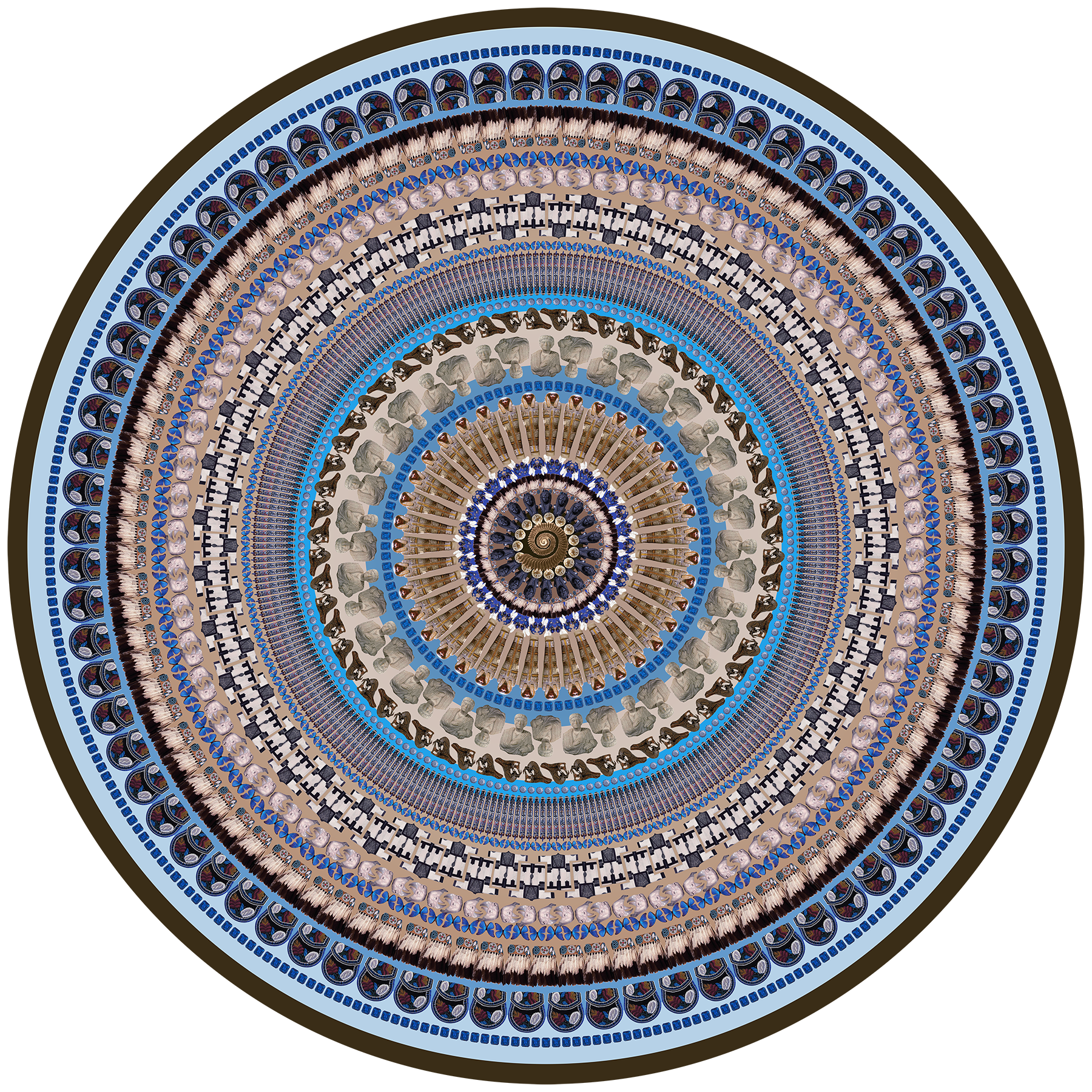
From a distance, it’s a bold geometric composition…
Up close, it gives a reason to stay longer than you planned.
Visitors lean in. Details begin to emerge. Artifacts, histories, fragments of story, drawn from the ROM’s collection. Curiosity takes over.
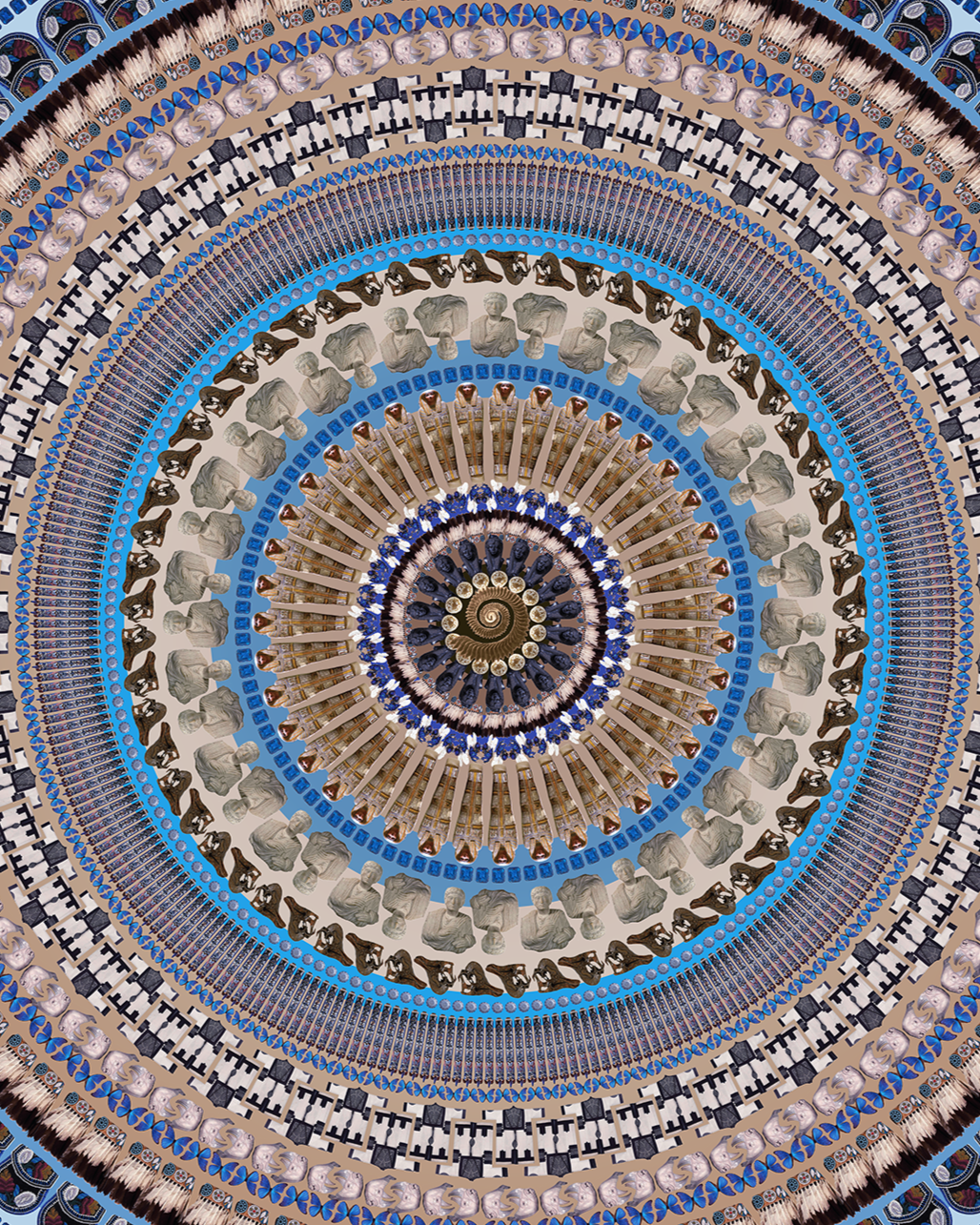
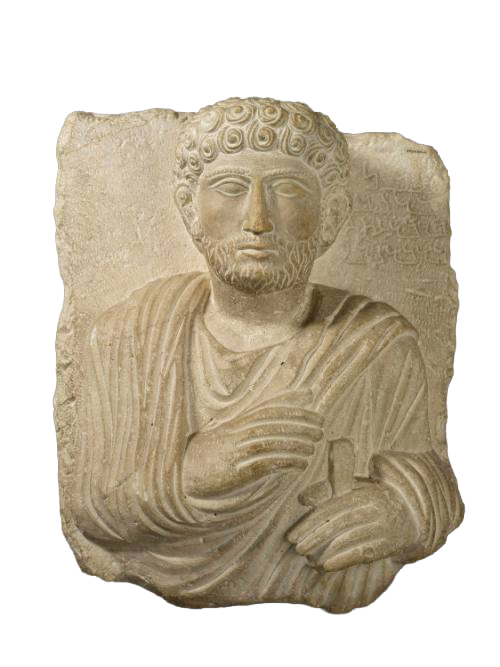
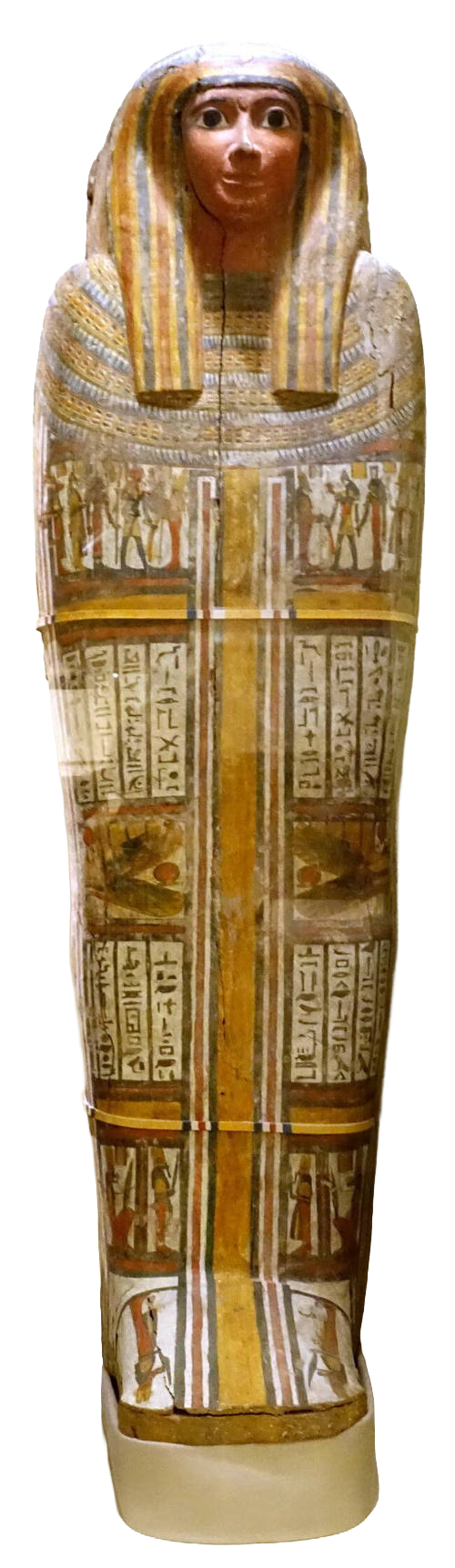
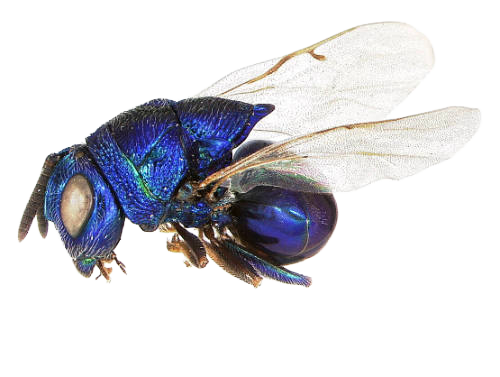
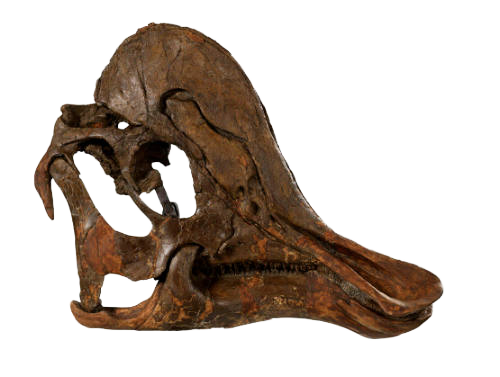
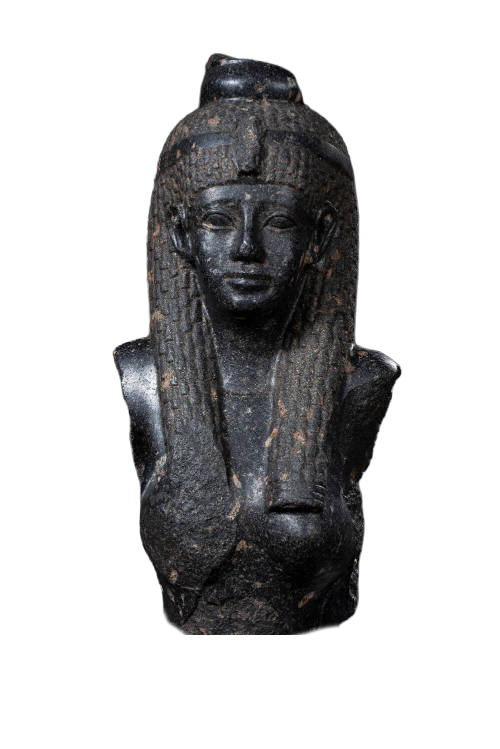
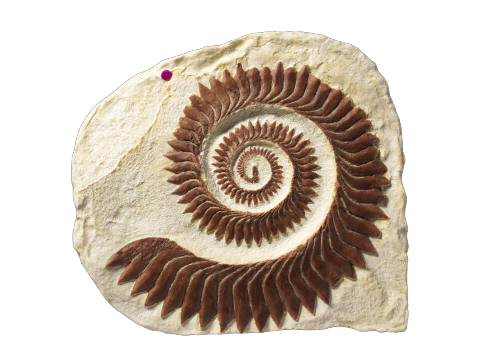
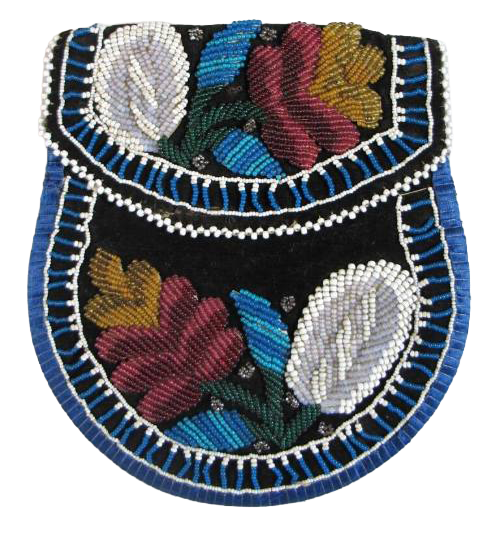
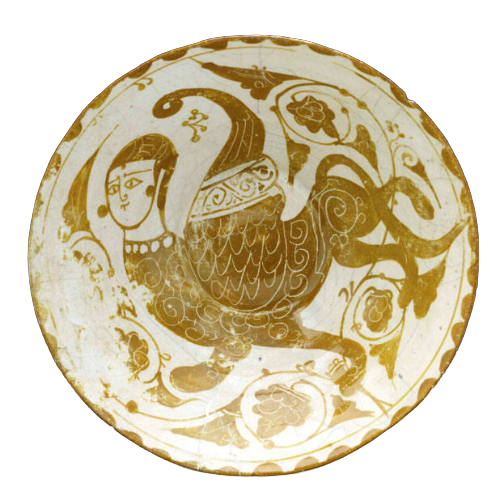
The artwork is composed of thousands of hand-placed paper images, each sourced from the ROM’s collection, archives, and institutional history.
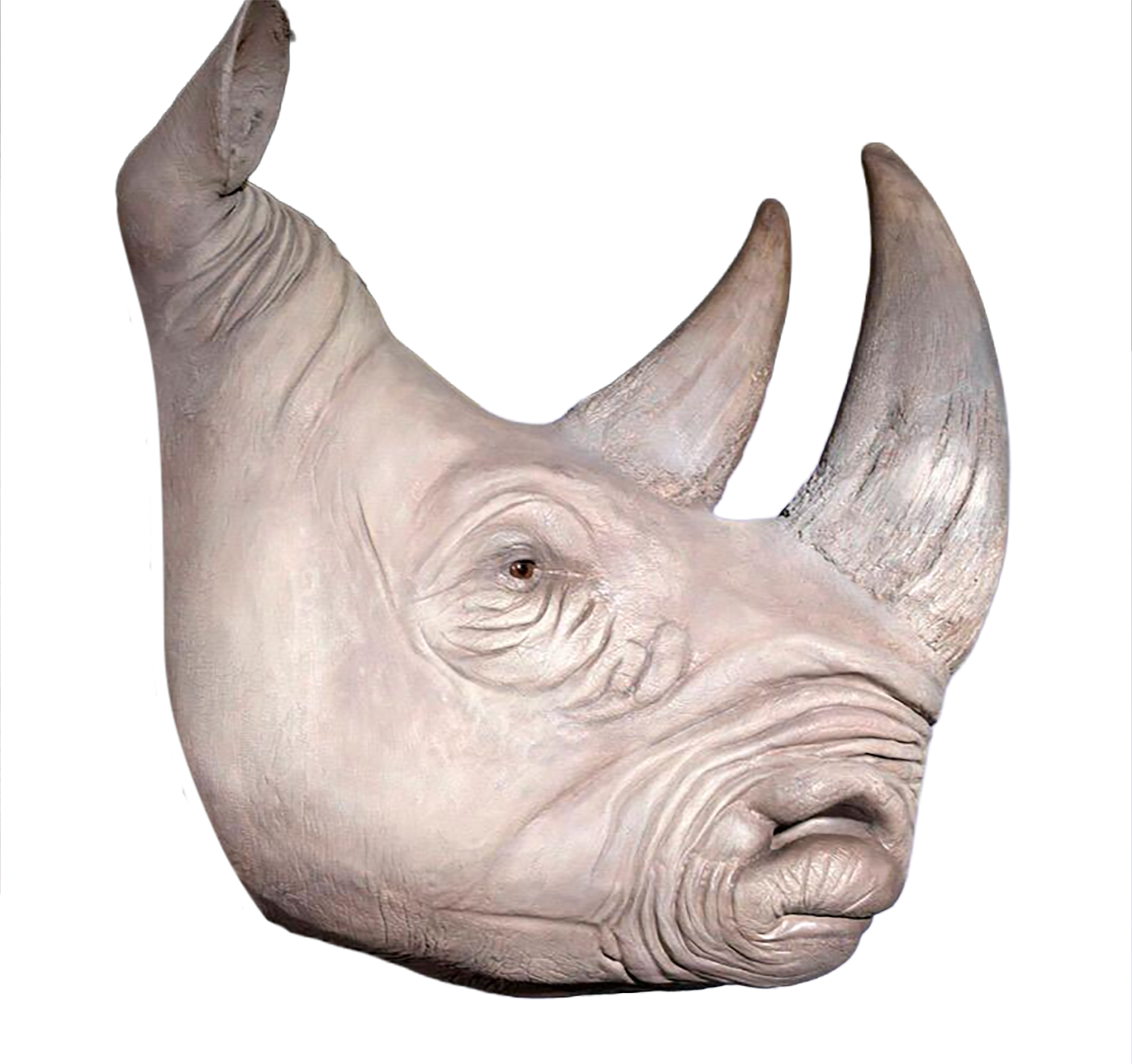
Artifacts. Specimens. Textiles. Fossils. Images. Details.
Each of these paper fragments holds a story. Together, they form a single, cohesive artwork that reflects the breadth and depth of the museum itself.
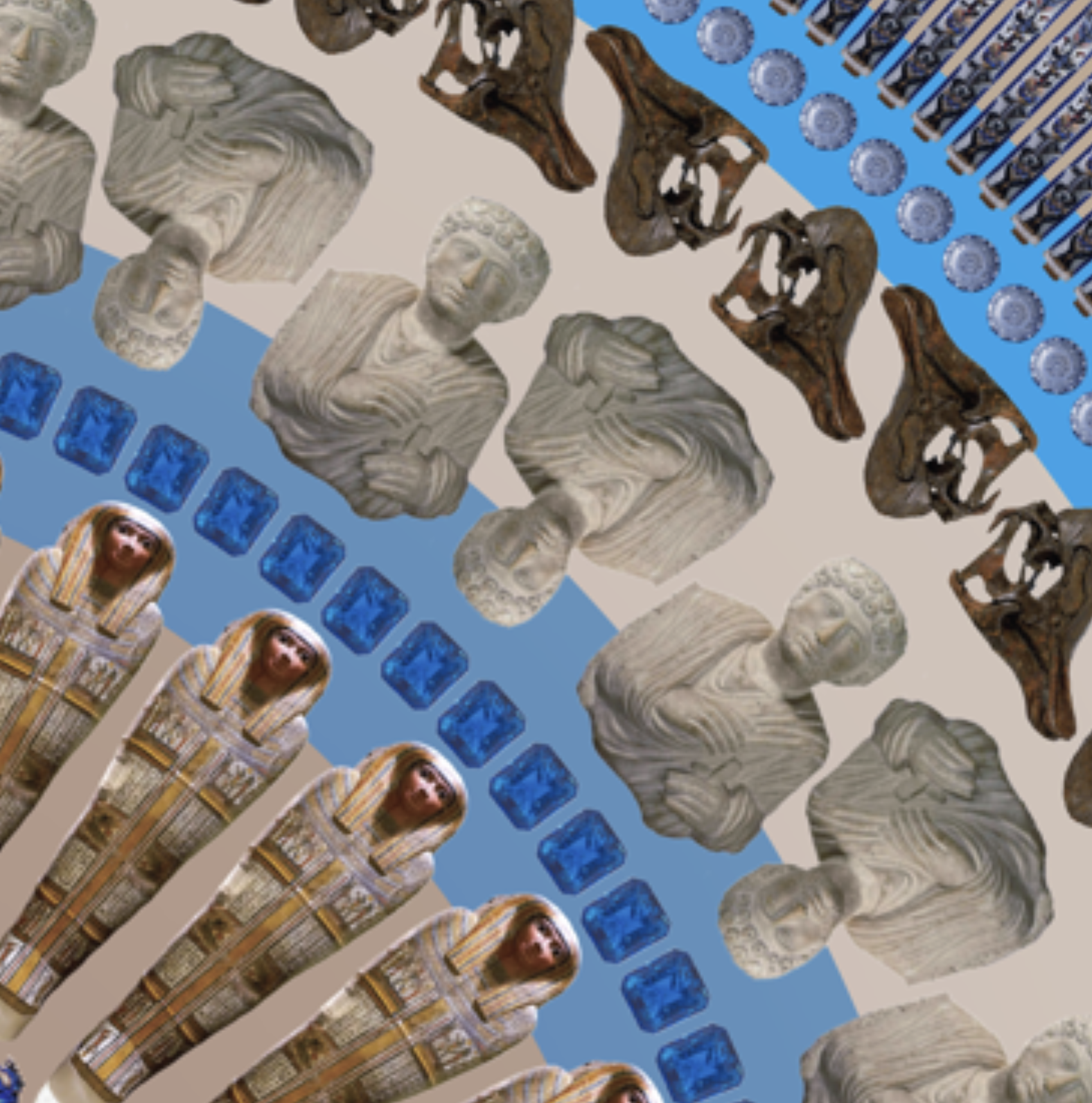
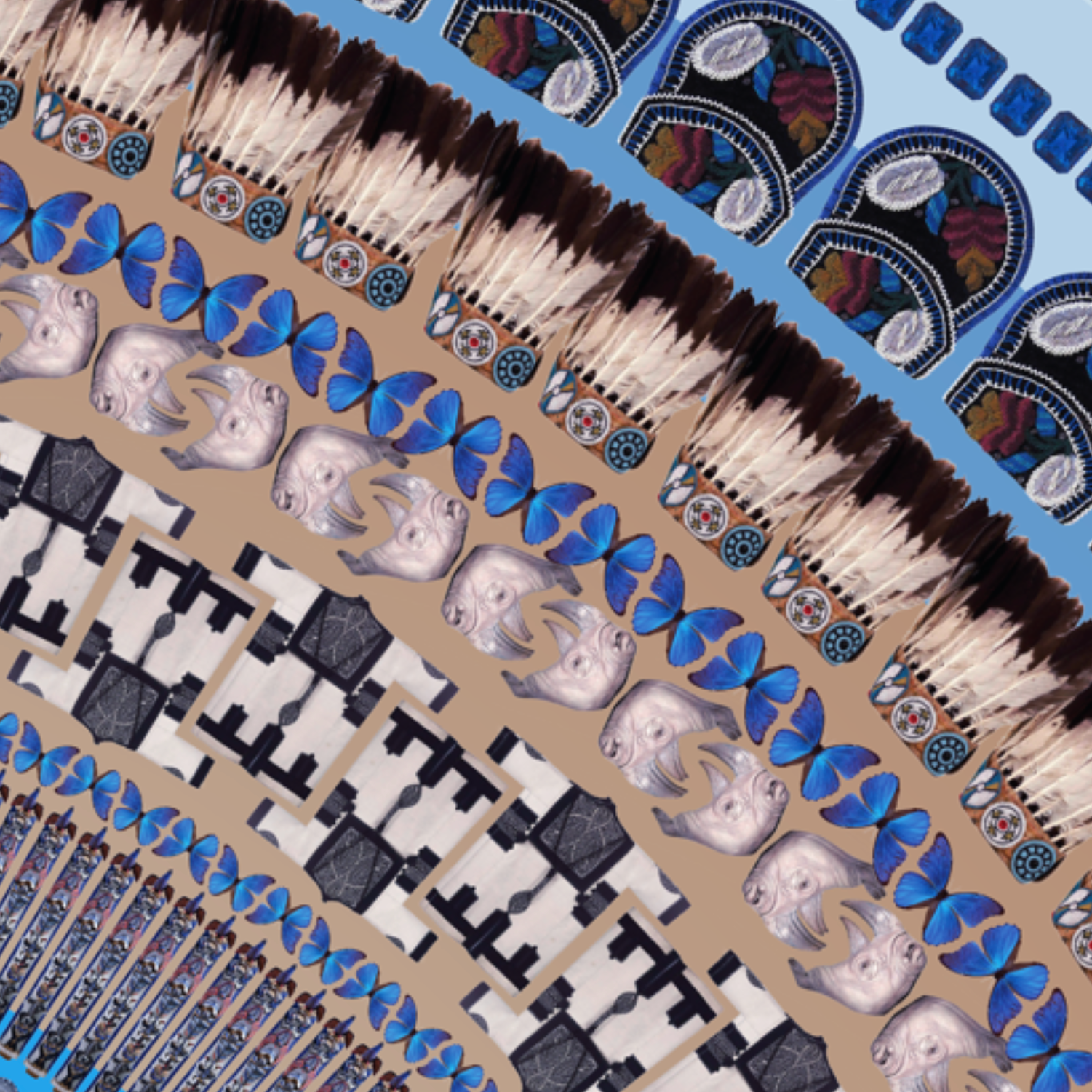
The ROM is built on curiosity
Every visitor arrives with the same instinct: to look closer, to understand, to discover something new. This artwork meets that instinct at the threshold. In a space designed for transition, waiting, gathering, and orienting, it creates an immediate point of engagement.
Something to spark Curiosity.
Something to engage with.
Something to explore before a single gallery is entered.
From a distance, it reads as a bold, structured composition, echoing the architectural language of the atrium.
Up close, it shifts. Fragments from across the ROM’s collection come into focus, drawing attention to objects, histories, and areas of research that might otherwise go unseen.
A nearby touch screen allows visitors to explore the artwork in detail, revealing the story behind each fragment and where it can be found within the museum.
What begins as a single image becomes a point of entry. A way to navigate the collection through curiosity, not instruction. It becomes both an introduction and a guide. A way to access the depth of the museum through a single, cohesive experience.
Interactive Touch Screen
Curiosity
Rewarded
Curiosity sits at the centre of Lesley Luce’s creative practice.Each body of work begins with research into a chosen subject, uncovering histories, cultural references, and unexpected details. These discoveries are translated into thousands of hand-placed paper fragments, arranged in precise concentric compositions.
From a distance, the artwork reads as bold geometry. Up close, the details reveal themselves slowly, rewarding curiosity and inviting viewers to uncover their own connections.
A companion publication accompanies each major work, documenting source material and references through detailed citation, reinforcing the connection between visual experience and research.
Based in Toronto, Lesley Luce is a long-time visitor to the ROM, with a practice that resonates with collectors, academics, and institutions drawn to work that rewards attention and deeper looking.
This proposal extends an established way of working into a new context, using the ROM’s collection as both material and subject.

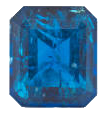
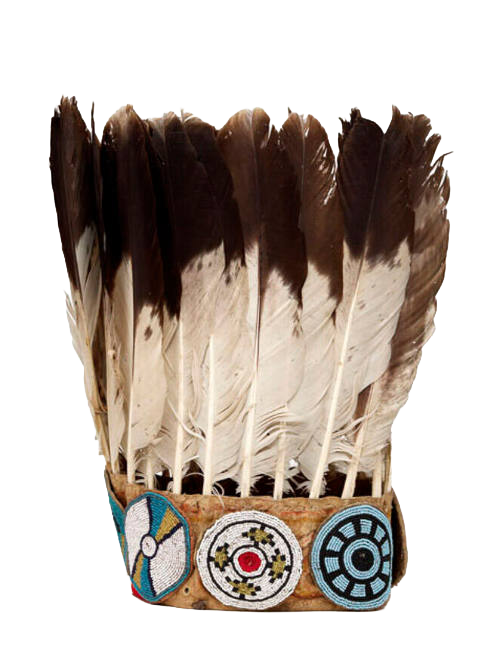
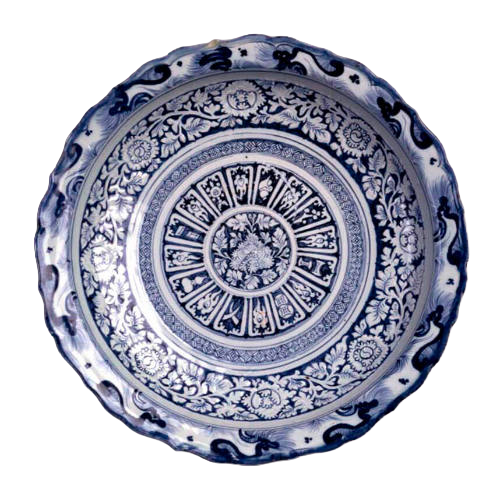
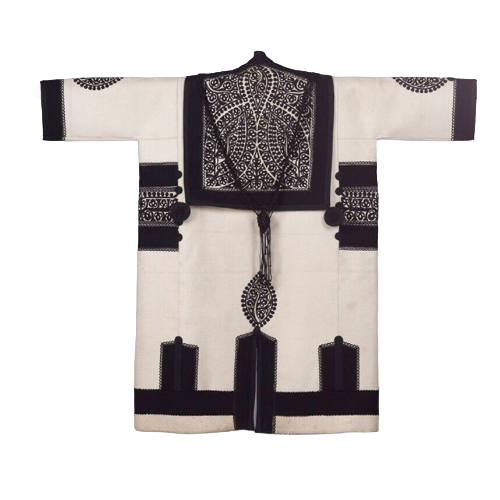

This is a starting point.
Visual mockups and further details are available, including scale, materials, and interactive integration. Mockups shown are illustrative. Artifact selection would be developed in collaboration with the ROM.
The goal is to explore how an artwork like this could live within the ROM’s new entrance and contribute to the visitor experience.
If this resonates, the next step is simply a conversation.